
Golden Needle Aftercare: Redness, Makeup and Recovery
golden needle aftercare aims to support the skin barrier without irritating it after a microneedling radiofrequency treatment; the redness and grid-mark appearance seen in the first days follows an expected course for most people, though the duration and intensity vary from person to person. The first 24-72 hours, sun protection, pausing active ingredients and the timing of returning to makeup are the most frequently asked aftercare questions. This article is for general information; the individual aftercare plan is set by the written instructions given by the practitioner.
The First 24-72 Hours and How the Marks Look
What to expect in the first 24-72 hours
In the first hours after treatment, redness, a feeling of warmth and mild swelling are common; these findings generally begin to noticeably ease within the first 24-72 hours. This timing can vary with treatment depth, energy setting and skin structure; this early redness comes from the body’s natural inflammatory response to the controlled micro-injuries the microneedles create beneath the skin.
In some people, swelling can feel more noticeable lying down at night; this is an expected situation, and sleeping with the head slightly elevated can be soothing. This happens because, in a horizontal position, gravity directs fluid accumulation toward the face; elevating the head reduces this effect. Severe pain is not typical during this period.
In the first 2-6 hours, redness and warmth are at their most noticeable; by the 24-hour mark, most people can expect these findings to start visibly easing. By 48-72 hours, redness has largely faded, though a mild pinkness or localised tenderness can remain a little longer and is considered normal.
Hour by hour: in the first 0-2 hours the skin feels distinctly red and warm, and faint needle points may be visible. Between 2-6 hours, redness is at its most intense and swelling may increase. Between 6-24 hours, redness slowly begins to fade and the grid-like marks may become more visible. At 24-48 hours the colour turns a deeper pink and tenderness decreases. By 48-72 hours, the skin approaches a near-normal appearance for most people; this timeline can shift earlier or later depending on treatment depth and individual skin response. With settings targeting greater depth, redness and warmth can last longer, because deeper tissue repair reaches the surface comparatively more slowly.
How long do redness and the grid-like marks last?
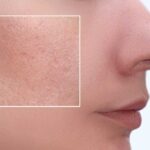
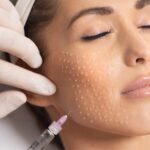
The small, grid-like marks left by the microneedle tips can be noticeable on the first day and fade over time. In most people this appearance reduces within a few days, but the time to full fading varies with skin type and the treated area.
If the marks last longer than expected, or if a colour change becomes persistent, a follow-up visit should be requested. Giving an exact number of days for this would not be accurate.
The appearance of the grid-like marks depends on the number and depth of the microneedle tips; in some people the marks appear as distinct points within the first 24 hours and largely fade within 3-5 days. In people with darker skin tones, temporary darkening can last longer and is assessed separately at follow-up. As the number of tips increases, the marks can form a denser pattern of points, which can make them appear more noticeable within the first 24 hours.
Skin Cleansing and Sun Protection
How should the skin be cleansed?
Cleansing should be done with the product and timing recommended by the practitioner, using lukewarm water and gentle movements. Harsh scrubbing, exfoliating cloths or strong foaming gels can irritate the sensitive tissue in the first days. This is because the micro-channels have not yet fully closed, and harsh friction can increase the risk of carrying bacteria into these channels.
Patting the face dry rather than rubbing it is preferred. Not trying any new product beyond the recommended moisturiser after cleansing prevents confusion.
Using only the mild cleanser recommended by the practitioner instead of a makeup remover in the first 24 hours prevents extra irritation of the barrier. The skin may feel slightly tight after cleansing; supporting it with the recommended moisturiser is usually enough.
Why is sun protection so important?
Treated skin can become more sensitive to sunlight than usual, and sun exposure during this period can increase the risk of pigmentation changes. This increased sensitivity comes from a temporary weakening of the barrier function and can last until the barrier is fully repaired. Broad-spectrum sunscreen, a hat and staying in the shade are priority measures.
When and how often to reapply sunscreen is determined by the practitioner; applying cream alone is not enough — limiting direct sun exposure is also necessary.
Limiting direct sun exposure around midday during the first week, especially for the face, is a commonly recommended approach. Sunscreen should be reapplied every two to three hours; reapplication may be needed after sweating or swimming.
Which products should be paused, and when?
Retinoids, high-concentration acids (AHA/BHA), strong peeling products and some active vitamin C derivatives can increase irritation in the early period and are generally paused for a while. How long this pause lasts depends on skin response and the product used; this is because these ingredients accelerate cell turnover while penetrating micro-channels that have not yet closed, which can create irritation stronger than expected.
If the timing for returning to these products is unclear, showing your own routine to the clinic and getting approval is the safest approach. Returning too early can set the stage for unexpected irritation or pigmentation.
As a general tendency, retinoids and high-concentration acids can be paused for a few days to more than a week; for strong peeling products this period can be even longer. Active vitamin C derivatives may be tolerated earlier in some formulations, while causing irritation in others.
Retinoids
Retinoids are powerful actives that speed up cell renewal; when used too early on the sensitive post-treatment barrier, stinging, increased redness and peeling can intensify. As a general tendency, pausing for more than a week until practitioner approval is often recommended. This waiting period runs roughly parallel to the time barrier repair takes; starting before redness has fully settled can make the effect feel stronger than usual.
AHA/BHA acids
High-concentration acids such as glycolic and salicylic acid have a thinning effect on the upper skin layer; this effect can create additional irritation on tissue that is still healing. Returning to these products is generally considered after redness has largely resolved, restarting gradually and at a low frequency. The higher the acid concentration, the greater the risk of extra irritation in the early period; for this reason, starting gradually with lower-concentration products may be preferred.
Strong peels and exfoliating cloths
Exfoliating cloths, brushes or strong peeling products involving mechanical scrubbing can enlarge micro-injuries that are still healing and increase the risk of scarring. These products are held off until healing is fully complete; the duration varies from person to person and is reassessed at the follow-up visit. Mechanical scrubbing before healing is complete can damage the still-immature new tissue layer, which can increase the risk of permanent tissue change.
Vitamin C derivatives
Some vitamin C formulations have a low pH, which can cause a stinging sensation in the early period; some stabilised formulas are better tolerated. Which formulation can be tried and when should be discussed with the practitioner based on the product’s content and the skin’s response. The reason low-pH formulas cause stinging in the early period is that the open micro-channels are more sensitive than usual to this acidic environment.
- Retinoids: paused until practitioner approval
- High-concentration AHA/BHA: can be paused for a few days to more than a week
- Strong peels and exfoliating cloths: postponed until healing is complete
- Active vitamin C derivatives: assessed according to skin response
Returning to Makeup
Returning to makeup depends on redness in the skin having reduced and the absence of an open wound or significant crusting; this is generally assessed after the first few days, though the exact number of days varies from person to person. This waiting period is meant to prevent cosmetic products or bacteria from entering micro-channels that are still closing. Getting approval from the practitioner before applying makeup is recommended.
If makeup is applied, a clean brush or sponge should be used, products should not be shared, and the skin should be gently cleansed in the evening. Dirty applicators can increase the risk of unwanted irritation or infection during this period.
Applying makeup while an open wound or significant crusting is present is not recommended; returning to makeup is considered safer once these findings have fully resolved. Choosing breathable, lightweight formulas reduces the extra load placed on the skin in the first days.
Regularly cleaning makeup brushes and sponges becomes especially important in the first days; a dirty brush can carry bacteria onto skin that is still healing. Returning to makeup around the eye area and lips, which are thinner regions, can be considered a little earlier than the rest of the face, because these areas may be affected at a different depth by the treatment; the final decision should be left to the practitioner.
Showering, Exercise and Sauna
Hot showers, heavy sweating, sauna and steam rooms can increase redness and sensitivity in the first days; pausing these is a commonly recommended approach. A short, lukewarm shower is generally preferred.
The timing for returning to exercise varies according to the individual protocol; asking the practitioner for a clear date is the most practical approach. Cleansing a sweaty face gently, without rubbing, is important.
Swimming pools and seawater can increase the risk of irritation in the first days because of their chlorine and salt content; approval from the practitioner should be sought before returning to these environments too. It is also important that any towel or headband touching the face during exercise is clean.
What should be done if crusting or peeling occurs?
Crusting
Mild dryness, roughness or small crusts can appear in some people; picking or scraping them off can increase the risk of scarring and infection. Letting the skin heal at its own pace is recommended; pressing on a crust or rubbing it with a makeup sponge should be avoided until it falls off on its own. Crusting forms as dried tissue particles accumulate on the upper skin layer while the tissue underneath has not yet fully matured; for this reason, if the crust comes off early, the sensitive tissue beneath is exposed. The crust separates on its own once the new tissue underneath is ready; removing it early leaves the healing surface exposed. For this reason, not touching the area — even if it feels itchy — and leaving the crust to its own timeline is the safest approach. Peeling, by contrast, is more superficial and generally eases within a few days with gentle moisturising. Distinguishing between the two prevents both unnecessary worry and unnecessary intervention.
A water-based, fragrance-free moisturiser that supports the barrier can be preferred for dryness; trying many new products at the same time makes it harder to identify which one is causing irritation.
Peeling
Peeling generally begins a few days after crusting starts, and the skin renews itself at its own pace; scrubbing or applying an additional peel to speed up this process is not recommended. Pulling at a peeling area can expose the still-immature skin underneath and increase the risk of irritation and pigmentation. Unlike crusting, peeling is the spontaneous separation of the upper skin layer in thin sheets, and it generally presents a less pronounced, more widespread appearance than crusting.
The frequency of moisturiser can be increased during peeling; reapplying a thin layer whenever the skin feels tight can be soothing. If makeup is worn during this period, a breathable, lightweight formula should be preferred.
Sleep, Pillow and Care Between Sessions
How should sleep and pillow position be arranged in the first days?
Sleeping with the head slightly elevated in the first nights can help make facial swelling less noticeable by morning; this can be achieved with an extra pillow or by sleeping with the back slightly inclined. Avoiding sleeping face-down during this period reduces pressure on the treated area. When the head is not elevated, accumulated fluid can be more noticeable as puffiness in the eyelids and cheeks upon waking.
A clean, preferably cotton pillowcase can reduce unnecessary friction on the skin overnight. Some people prefer laying a clean towel over the pillow in the first nights; this is a simple measure and not required.
Air conditioning or a fan blowing directly onto the face can increase skin dryness in the first nights; redirecting the airflow is a simple but effective measure. For people who sweat heavily at night, changing the pillowcase more frequently can also be advisable.
How is care planned between sessions?
Golden needle treatment is often planned as multiple sessions, and leaving several weeks between sessions is a common approach; this period allows the skin time to respond to the previous session. Continuing sun protection and a gentle care routine throughout this interval is recommended.
If noticeable redness, active crusting or an unexpected finding is still present before the next session, this should be shared with the practitioner and the session date reassessed if necessary. Blindly following a fixed schedule can place extra load on skin that has not yet finished healing. Shortening this interval means delivering a new stimulus before the effect of the previous session has fully settled, which can increase the risk of cumulative irritation.
Common misconceptions
- “The longer the redness lasts, the stronger the effect” is not true; how long redness lasts depends on skin structure and has no direct, measurable relationship with effectiveness.
- “Once sunscreen is applied, there is no limit to sun exposure” is misleading; cream alone is not enough, and limiting direct exposure is also necessary.
- “Picking off crusting by hand speeds up healing” is incorrect; picking too early can increase the risk of scarring and infection.
- “The same healing time applies to every skin type” is not accurate; skin type and treatment depth affect this timeline.
Nutrition, Fluid Intake and Travel
How do nutrition and fluid intake contribute to healing?
Adequate water intake is a simple habit recommended during this period to support the skin’s overall moisture balance. Balanced nutrition is a general factor that supports the skin’s healing process, but it is not a formula that guarantees the speed of healing. Insufficient fluid intake can slow down the cellular renewal used in the skin’s natural repair process.
Limiting alcohol intake in the first days is often recommended because of its effect on both the skin’s moisture balance and possible swelling. This recommendation can vary according to personal health status and should be discussed with the practitioner.
If travel or a flight is planned
If travel is planned within a few days after treatment, bringing moisturiser and sunscreen is recommended, given the dryness of cabin air and the risk of sun exposure. Informing the practitioner of the travel date beforehand allows aftercare recommendations to be adapted accordingly. Changes in cabin pressure and low humidity can speed up water loss from the skin and increase the feeling of dryness.
If travel involving prolonged sun exposure is planned, leaving enough healing time between the treatment date and the trip can help reduce the risk of pigmentation.
Product Choice and the Follow-up Visit
What should be checked when reading a product label?
Checking whether products used in the first days contain fragrance, alcohol or high-concentration active ingredients can help reduce the risk of irritation. The label “for sensitive skin” alone does not mean a product is suitable during this period. Products containing fragrance and alcohol may not cause a problem on healthy skin but can increase stinging on a barrier that is still healing.
Consulting the practitioner before trying a new product is important, especially if there is a known history of allergy. If a product’s ingredients are unclear, it is recommended to ask before using it.
What is assessed at the follow-up visit?
At the follow-up visit, redness, crusting and the overall course of healing are assessed visually; if photographs are available, they are compared with earlier images. This assessment also affects the timing of the next session; redness lagging behind the expected timeline can be a decision criterion for postponing the next session.
Findings the patient has noticed at home, products used and changes in the daily routine are discussed at this visit; this information helps fine-tune aftercare recommendations for the individual.
Differences by Skin Type and the Initial Consultation
Does healing differ by skin type?
Redness can settle more quickly on oily skin, while a feeling of dryness and flaking can be more noticeable on dry, sensitive skin; this difference can affect how often moisturiser is recommended. For acne-prone skin, particular attention may be needed to ensure the products used in the first days are non-comedogenic.
For people with a history of rosacea, the possibility of redness lasting longer than usual should be discussed beforehand; this does not rule out suitability for treatment, but expectations are set accordingly.
Useful questions to ask at the initial consultation
- What is the recommended energy setting and depth for this area based on, and why?
- How many sessions are planned, and what is the interval between sessions?
- Which products should I pause after treatment, and for how long?
- At what symptoms should I call without waiting for the follow-up visit?
Written answers to these questions can be a practical resource that reduces confusion after treatment.
Differences in Care by Area and Assessing the Result
Differences in care by area: treatments outside the face
Golden needle aftercare applied to areas such as the neck or décolletage follows similar principles to the face, but because the skin in these areas is generally thinner, the duration of sensitivity may be assessed differently. Care should be taken that clothing touching the collar area does not irritate the treated region in the first days.
Sun exposure in these areas is often noticed less than on the face; for this reason, it is worth reminding patients to apply sunscreen to the neck and décolletage with the same care.
When is the result assessed?
If the appearance after a single session is part of a protocol involving multiple sessions, it is considered an early indicator; the final assessment is generally made after the full series of sessions is complete. Photo tracking during this period provides a more reliable comparison than daily visual observation.
When the expected appearance becomes clear varies by person and by the protocol applied; for this reason, rather than giving an exact date, progress is reviewed together at follow-up visits.
When should the clinic be contacted?
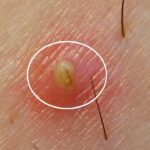
Pain that increases over time, spreading redness together with rising warmth, yellow-green discharge, fever or a blistering rash resembling a cold sore are not considered normal healing findings; the clinic should be informed without delay in these situations. During golden needle aftercare, sharing when a symptom started and how it has progressed allows for a faster assessment.
- Pain that increases over time and does not settle with rest
- Spreading redness with rising warmth in the area
- Yellow-green discharge or an unpleasant odour
- Fever or a blistering rash resembling a cold sore
This article is a general framework; the individual aftercare instruction is the written information given by the practitioner.
Read more about the golden needle treatment. Request an appointment about your aftercare.
Frequently Asked Questions (FAQ)
How long does redness last after golden needle treatment?
In most people, redness and mild swelling noticeably ease within the first 24-72 hours; redness is at its most noticeable in the first 2-6 hours and is expected to have largely faded by 48-72 hours. This timing can vary with treatment depth, energy setting and skin structure; with settings targeting greater depth, redness and warmth can last longer. A mild pinkness or localised tenderness can remain for a while longer. A follow-up should be requested if redness lasts longer than expected.
Is the grid-like mark permanent?
The small, grid-like marks left by the microneedle tips generally fade largely within 3-5 days and are not permanent. The time to full fading varies with skin type and the treated area; as the number of tips increases, the marks can form a denser pattern of points. In people with darker skin tones, temporary darkening can last longer. If the marks last longer than expected, the practitioner should be informed and a follow-up requested. The marks are usually perceived as more noticeable at the first session; in later sessions, the same appearance tends to feel less concerning because the person already knows what to expect.
How should skin be cleansed in the first days?
Cleansing should be done with the product recommended by the practitioner, using lukewarm water and gentle movements. Harsh scrubbing, exfoliating cloths and peeling products can irritate the sensitive tissue during this period; this is because the micro-channels have not yet fully closed. The face should be patted dry rather than rubbed. Using only the mild cleanser recommended by the practitioner instead of a makeup remover in the first 24 hours prevents extra irritation of the barrier. Keeping the water lukewarm also matters, because hot water can increase blood flow to the area and make redness last longer.
Is sunscreen alone enough?
No, applying sunscreen alone is not enough; wearing a hat and limiting direct sun exposure are also important. Skin can become more sensitive to the sun after treatment, and sun exposure can increase the risk of pigmentation; this increased sensitivity comes from a temporary weakening of the barrier function. Sunscreen should be reapplied every two to three hours, and reapplied again after sweating or swimming. For this reason, direct sun exposure around midday should be limited during the first week.
When can retinoid or acid products be resumed?
As a general tendency, retinoids and high-concentration acids can be paused for a few days to more than a week; for strong peeling products this period can be even longer, because mechanical scrubbing can damage tissue that has not yet matured. The timing for returning depends on skin response and the product used; returning too early can increase irritation. Giving an exact number of days would not be accurate. It is recommended to show your own routine to the clinic and get approval.
When can makeup be worn?
Returning to makeup is generally assessed after redness has reduced and no open wound or significant crusting remains; the exact timing varies by person. This waiting period is meant to prevent cosmetic products or bacteria from entering micro-channels that are still closing. Using a clean brush or sponge reduces the risk of irritation or infection from dirty applicators. Choosing breathable, lightweight formulas reduces the extra load placed on the skin in the first days. Getting approval from the practitioner before applying makeup is recommended.
Can I pick at crusting if it occurs?
No, picking or scraping off crusting increases the risk of scarring and infection; the tissue underneath has not yet fully matured, and exposing it too early can increase irritation. The skin should be allowed to heal at its own pace; peeling generally begins a few days after crusting starts and this process should not be sped up with scrubbing or an additional peel. A water-based, fragrance-free moisturiser can be preferred for dryness. Trying many new products at the same time makes it harder to identify which one is causing irritation.
Which symptoms need urgent contact with the clinic?
Pain that increases over time and does not settle with rest; spreading redness together with rising warmth; yellow-green discharge or an unpleasant odour; fever or a blistering rash resembling a cold sore are not normal healing findings. Unlike the expected inflammatory response, these findings tend to worsen over time rather than ease. The clinic should be informed without delay in these situations. Sharing when the symptom started and how it has progressed allows for a faster assessment. If possible, taking and sending a photo of the area can meaningfully help the initial assessment made over the phone.