What Is a Liquid Facelift? Non-Surgical Combined Facial Rejuvenation
A liquid facelift is a non-surgical, combined facial rejuvenation method that refreshes the facial contours by using injectable treatments such as filler, botox and thread lift together in a planned way, without requiring a surgical incision or stitches. It aims for a more rested and youthful appearance by balancing the volume loss, tendency to sag, expression lines and disruption of facial proportions that occur with age, using needle-based procedures rather than a single surgical operation. So what exactly is a liquid facelift, which methods does it bring together, how does it differ from a surgical facelift, which areas is it applied to, how long does it last and who is it suitable for? In this comprehensive guide, we address all these questions in detail.
What Is a Liquid Facelift?
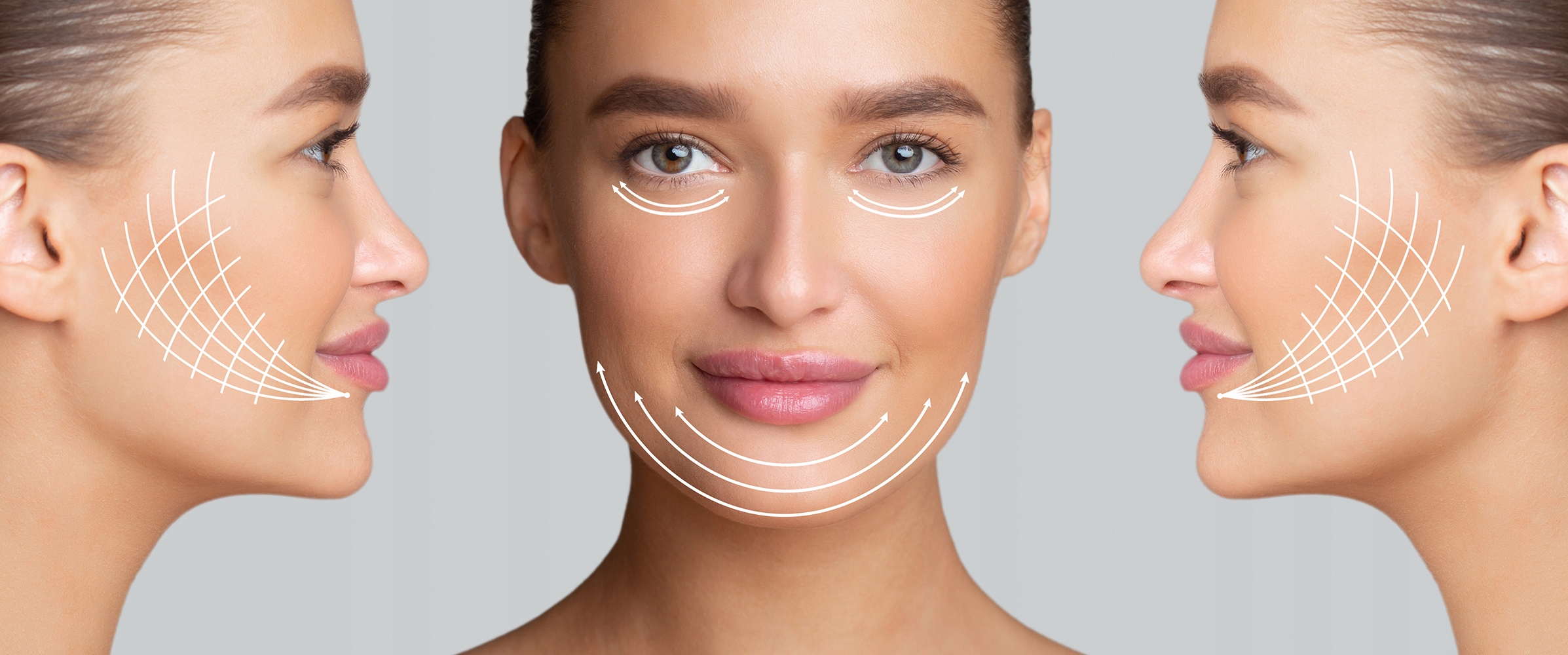
A liquid facelift is a non-surgical facial rejuvenation approach in which different injectable treatments are combined under a single treatment plan. The word “liquid” comes from the fluid nature of the hyaluronic acid-based fillers and injectable products used; “facelift” reflects the fact that a refreshing effect similar to a surgical facelift is aimed for. However, this method does not physically cut and lift the skin; instead, it gives the impression of lifting the face upward by restoring lost volume, softening expression-related lines and supporting mild sagging. The goal is to provide a natural and balanced rejuvenation without disturbing the person’s own facial expressions. For this reason, a liquid facelift is a treatment that requires personalized planning.
What Problems Does a Liquid Facelift Address?
A liquid facelift aims to address multiple changes that appear with aging at the same time. The volume loss seen in the cheeks and cheekbone area, the looseness that becomes prominent along the jawline, the hollows descending from the corners of the lips to the chin, the nasolabial lines and the expression wrinkles around the forehead and eyes are the main targets of this method. In addition, temple hollowing that gives a tired and drawn expression, under-eye dark circles and generally “downward-shifted” facial proportions can also be addressed. A liquid facelift evaluates not a single area but the whole face in a balanced way. Thus, instead of one-off treatments, it aims to achieve a harmonious result that rejuvenates the face as a whole.
What Is the Difference Between a Liquid Facelift and a Surgical Facelift?
The most important difference is whether it is surgical or not. A classic surgical facelift is an operation that involves cutting the skin, removing loose tissue and repositioning it with stitches, requiring general or sedation anesthesia. A liquid facelift, on the other hand, is applied only with needle-based injections, without incisions, stitches or general anesthesia. A surgical facelift gives a more permanent and dramatic result in advanced sagging and excess skin; a liquid facelift offers a more natural and reversible refreshment in mild-to-moderate changes with almost no recovery time. A liquid facelift is not an exact alternative to surgery; it is a complementary option that addresses different needs.
Which Injectable Methods Are Used in a Liquid Facelift?
The foundation of a liquid facelift consists of three main injectable approaches: filler, botox and thread lift. Filler restores lost volume, giving the face renewed fullness and support. Botox softens dynamic lines caused by expression, reducing wrinkles on the forehead, between the brows and around the eyes. Thread lift, on the other hand, provides a mechanical tightening effect by lifting mild sagging upward with special threads placed under the skin. These three methods are usually planned not alone but together in a way that complements each other according to the person’s needs. When needed, mesotherapy or skin renewal treatments can also be added. Which methods will be used and in what proportion is determined only by the physician after facial analysis.
What Is the Role of Filler in a Liquid Facelift?
Filler forms the volume and support pillar of a liquid facelift. With age, the fat pads in the face melt, bone support decreases and the face appears to “collapse.” Hyaluronic acid-based filler applications compensate for this collapse by adding volume to areas such as the cheekbones, temples, chin tip and jawline, giving the impression of lifting the face. Filler also provides a more youthful contour by supporting the nasolabial lines and the hollows at the corners of the lips. Filler placed in the right area in the right amount balances facial proportions. The goal is not to exaggeratedly inflate the lips or cheeks but to restore lost natural volume.
What Is the Role of Botox in a Liquid Facelift?
Botox is the expression and line control pillar of a liquid facelift. Dynamic wrinkles such as forehead lines, the frown line between the brows and crow’s feet around the eyes form due to the repeated contraction of the expression muscles. Botox application softens the movement of these muscles in a controlled way, reducing the lines and giving the face a more rested expression. In a liquid facelift, when botox is used in balance with filler, it refreshes the upper part of the face while complementing the volume work in the lower part. The goal is not to leave the face completely immobile but to lighten the lines while preserving natural expression. Botox applied at the correct dose allows the person to look younger without losing their own expressions and supports the integrity of the combination.
What Is the Role of Thread Lift in a Liquid Facelift?
Thread lift is the mechanical support and tightening pillar of a liquid facelift. By placing special, dissolvable threads under the skin, mildly sagging tissues are tightened upward and collagen production is stimulated at the same time. Thread lift application provides a noticeable tightening, especially in mild looseness of the cheek and jawline area. In a liquid facelift, thread lift helps support the volume gained from filler in the correct position and lift the overall frame of the face upward. When these three methods are used together, volume, line control and tightening come together in the same plan. The suitability of thread lift is evaluated according to the degree of sagging and the skin structure; thread lift may not be needed in every patient.
Which Areas Is a Liquid Facelift Applied To?
A liquid facelift can cover the upper, middle and lower thirds of the face. In the upper face, forehead lines, the area between the brows and around the eyes are addressed with botox; in addition, temple hollowing can be supported with filler. In the mid-face, the cheekbones, cheek volume and under-eye area are filled with filler. In the lower face, the nasolabial lines, corners of the lips, chin tip and jawline are shaped with both filler and, when needed, thread lift. In some people, the neck and double-chin area can also be included in the plan. Which areas will be addressed is determined according to the person’s aging pattern and expectations. The strength of a liquid facelift comes from planning these areas not individually but as a balanced whole.
How Is a Liquid Facelift Applied?
The application begins with a detailed facial analysis. The physician evaluates the patient’s facial proportions, volume loss, expression lines and degree of sagging to create a personalized plan. Then the application areas are cleaned and, when needed, a topical anesthetic cream is applied. According to the plan, volume and tightening procedures such as filler and thread lift may be performed first, followed by line-regulating applications such as botox; the order varies according to the physician’s preference and the plan. The entire procedure is carried out with fine needles and cannulas. The application can be completed in a single session or divided into several stages depending on expectations. At the end of the procedure, the patient is given aftercare instructions and can return to daily life shortly.
How Long Does a Liquid Facelift Application Take?
The duration of a liquid facelift varies according to the number of treatments included in the plan and the areas addressed. While a plan involving filler and botox in only a few areas can be completed in 30-45 minutes, a comprehensive application combining filler, botox and thread lift can take 60-90 minutes. The application is usually done in a single session; however, the physician may prefer to divide the procedure into two appointments to see the result gradually or to preserve naturalness. The fact that the procedure is non-surgical and requires no hospital stay or long recovery process is an important advantage. Most people can return to their daily routine on the same day after the application, with minor restrictions. The length of the procedure is related more to its scope than to its complexity.
Is a Liquid Facelift Painful?
A liquid facelift is generally a well-tolerated treatment. Since the needles and cannulas used are fine, mostly only a mild pricking or pressure sensation is felt during the procedure. To minimize pain, a topical anesthetic cream can be applied to the area before the procedure; in addition, many filler products contain a local anesthetic substance that reduces pain. In areas where thread lift is applied, there may be mild tenderness lasting a few days during and after the procedure. Overall, this treatment is a comfortable and tolerable procedure. Additional measures can be taken in people with a low pain threshold. No lasting pain is expected after the procedure; any mild tenderness resolves on its own in a short time.
What Should Be Considered Before a Liquid Facelift?
Some simple preparations before a liquid facelift improve the quality of the result and comfort. Avoiding medications and supplements with blood-thinning effects (such as aspirin, vitamin E and fish oil) with physician approval a few days before the procedure reduces the risk of bruising. On the day of the application, the skin should be clean and free of makeup. Alcohol consumption should be limited the day before the procedure. If there is active infection, cold sore or irritation on the face, the physician should be informed and, if necessary, the procedure postponed. All medications used, previous aesthetic procedures and health history should be shared with the physician. In addition, discussing expectations clearly before the application is important for creating the correct plan. These preparations support both safety and satisfaction with the result.
What Should Be Considered After a Liquid Facelift?
Following a few simple rules after a liquid facelift supports proper settling of the result. In the first hours, not rubbing the application area and not applying pressure to it is important, especially to prevent botox and filler from shifting to unwanted areas. On the first day, heavy exercise, sauna, hammam and excessively hot environments should be avoided. In areas where thread lift has been applied, it is recommended to avoid exaggerated expressions and facial massage for a few days. Since mild swelling and bruising may occur, the procedure should not be planned right before important social events. Drinking plenty of water and gently protecting the application area support healing. At Zen Polyclinic, you are given personalized aftercare instructions and the information needed for the process to progress healthily.
When Do Liquid Facelift Results Appear?
The results of a liquid facelift appear at different times according to the method used. The volume effect provided by filler is largely noticed immediately; however, as the initial mild swelling subsides, the final and natural appearance usually settles within 1-2 weeks. The effect of botox on expression lines develops gradually within 3-14 days. The tightening effect of thread lift is noticeable at first and then matures further over a few weeks with collagen production. For this reason, the holistic result of a liquid facelift is fully evaluated about 2-4 weeks after the application. The gradual development of the result makes the change look natural. Fine-tuning can be done when needed under physician supervision.
How Long Does a Liquid Facelift Last?
The longevity of a liquid facelift varies depending on the duration of each method in the combination and is not permanent. The effect of botox generally lasts 3-4 months; therefore, botox is the most frequently repeated component for line control. The effect of hyaluronic acid-based fillers can vary between 6-18 months depending on the product used and the area. The tightening and collagen-stimulating effect of thread lift can last up to 12-24 months depending on the thread type. For this reason, a liquid facelift should be thought of not as a one-time procedure but as a periodically renewed care approach. With regular follow-up and timely refreshment treatments, the result can be maintained for a long time. Longevity varies from person to person according to metabolism, skin structure and lifestyle.
Does a Liquid Facelift Look Natural?
When planned correctly, a liquid facelift looks extremely natural. The goal is not to change the face but to bring out the person’s own youthful state again by restoring lost volume and softening lines. The key to a natural result is to avoid exaggeration and to address the face as a balanced whole. Applying excessive filler to only one area can lead to a disproportionate and “done” look; whereas a balanced combination refreshes the face harmoniously. For this reason, it is essential that the application be planned by an experienced physician in accordance with the person’s facial anatomy and expression. A well-planned liquid facelift ensures that people around only notice a rested and youthful appearance.
Who Is a Liquid Facelift Suitable For?
A liquid facelift is suitable for adults with mild-to-moderate signs of aging on their face who are not considering a surgical operation. People who notice volume loss, expression lines and mild sagging, generally from their late thirties onward, benefit from this method. It is ideal for people with busy schedules who cannot set aside time for a long recovery process and who want a natural, gradual rejuvenation. It can also be preferred by those who want to support the result before or after surgery. A physician evaluation is always carried out before the procedure, because correct candidate selection is decisive for both the quality of the result and realistic expectations. There is no one-size-fits-all plan; the approach is personalized.
Who Is a Liquid Facelift Not Suitable For?
Although a liquid facelift is a safe method, it is not suitable in some situations, or surgery may be the more appropriate option. In people with advanced skin sagging and significant excess skin, injectable methods may not be sufficient; in this case, a surgical facelift gives a more appropriate result. Application is not recommended during pregnancy and breastfeeding. Those allergic to the products used, those with an active skin infection, uncontrolled chronic disease or bleeding disorder should avoid this treatment or postpone it subject to physician approval. The limits of the process should be clearly explained to people with unrealistic expectations before the procedure. A detailed health assessment and physician approval are essential for a safe and appropriate application.
Combining a Liquid Facelift With HIFU and Non-Surgical Face Lifting
When a liquid facelift is planned together with skin-tightening energy-based methods, the result can become more holistic. For example, focused ultrasound applications such as HIFU stimulate the deeper layers of the skin to provide a tightening effect and support the volume and lift gained from injectable procedures. Similarly, other non-surgical face lift methods can be added to the plan. Planning these combinations in the correct order and timing is important for the quality of the result. Which methods will be brought together is determined by the physician according to the person’s skin structure, degree of sagging and expectations. Thus the face is addressed in a balanced way in terms of volume, lines and skin quality.
What Are the Side Effects of a Liquid Facelift?
A liquid facelift is a method with a low risk of side effects when applied correctly. The most common temporary effects are mild redness, swelling, tenderness and small bruising at the injection sites. These symptoms usually disappear on their own within a few days. In areas where thread lift is applied, there may be a temporary sensation of tightness or dimpling; this also resolves over time. Rarely, more serious complications such as filler-related asymmetry, nodules or vascular occlusion may occur; such risks are minimized by anatomy-appropriate application by an experienced physician. Correct pre-procedure evaluation, sterile conditions and the use of original products are the basis of safety. In case of any unusual symptom, a physician should be consulted without delay.
Common Misconceptions About a Liquid Facelift
There are many misconceptions about a liquid facelift. The most common is the idea that this method gives exactly the same result as a surgical facelift; in fact, a liquid facelift addresses a different need and does not replace surgery in advanced sagging. Another misconception is that the results are permanent; the effect is temporary and requires periodic renewal. The idea that “the more filler, the younger the appearance” is also wrong; exaggeration disrupts naturalness. In addition, the belief that this treatment is completely risk-free is not true; like any medical procedure, it must be performed in the right hands. Correct information should be obtained from a reliable physician, and decisions should be based on realistic expectations.
Does a Liquid Facelift Delay Surgery?
A liquid facelift can delay the need for a surgical facelift in many people, but it does not guarantee to postpone it forever. When volume loss and expression lines are managed early with injectable methods, the overall youthfulness of the face can be maintained for longer and the progression of noticeable sagging may slow down. Especially in the 30s and 40s, a regularly followed plan can push the need for surgery to later ages. However, when advanced excess skin and pronounced gravity-related sagging develop, the limit of injectable methods is reached and surgery becomes more appropriate. For this reason, a liquid facelift should be evaluated not as a replacement for surgery but as an approach that helps delay it and support its result.
What Factors Determine the Price of a Liquid Facelift?
The price of a liquid facelift is not a fixed figure; it varies depending on many factors. The number and type of treatments included in the plan (filler, botox, thread lift), the brand and amount of products used, the number of areas addressed and the scope of the application directly affect the price. In addition, the experience of the physician performing the application and the equipment of the clinic are also reflected in the price. Since a liquid facelift is a personalized plan, the price of two people is rarely the same. Instead of focusing on the lowest price, the authenticity of the product and the competence of the practitioner should be prioritized, because the result and safety depend directly on these. A precise price can only be given after a face-to-face evaluation and a personalized plan.
Why Is the Right Practitioner So Important?
The success of a liquid facelift largely depends on the practitioner’s experience and knowledge of facial anatomy. Because this method requires bringing together different injectable treatments in a balanced way, planning correctly how much filler, botox or thread lift to apply to which area determines the result. Wrong point or dose selection can lead to asymmetry, disproportion or an unnatural appearance. In addition, a good knowledge of the vascular and nerve structure of the face is critical for safety. For this reason, it is essential that the application be performed by an experienced physician who has command of facial anatomy. At Zen Polyclinic, a liquid facelift is planned and applied by an experienced team after carefully evaluating the person’s facial proportions and expectations.
Realistic Expectations Before a Liquid Facelift
The most important condition for being satisfied with a liquid facelift is to approach it with realistic expectations. This method is an effective approach that gives the face a rested and youthful appearance by correcting volume loss, softening lines and tightening mild sagging; however, it is not a surgical facelift and does not fully correct advanced sagging. Its effect is temporary and requires periodic renewal. The goal is not to turn the person into someone else but to bring out a more rested and youthful version of their own face. Evaluated from this perspective, a liquid facelift is a safe and practical treatment that provides high satisfaction in most people. Correct expectations, correct planning and the right practitioner are the keys to the result.
Liquid Facelift at Zen Polyclinic
At Zen Polyclinic, a liquid facelift begins with a personalized facial analysis. Your facial proportions, volume loss, expression lines and degree of sagging are evaluated to plan the combination of methods such as filler, botox and thread lift that best suits you. At our clinic in Istanbul Ataşehir, injectable applications are performed safely with original products and an experienced physician team. You can also review our related non-surgical face lift guides to look at the subject in more detail. Our priority is for results to be natural, balanced and safe. To learn whether a liquid facelift is suitable for you, you can contact the Zen Polyclinic team and schedule a free preliminary evaluation.
Conclusion: Is a Liquid Facelift Right for You?
A liquid facelift is an effective and safe option for people bothered by mild-to-moderate signs of aging who are not considering surgery and are looking for a natural, gradual rejuvenation. With the balanced combination of filler, botox and thread lift, volume loss, expression lines and mild sagging are addressed in the same plan. Results mature within a few weeks, the effect lasts for months depending on the methods and the application is completed without requiring surgery. Correct planning, original products and an experienced practitioner are the most important factors determining the natural result. When approached with realistic expectations, a liquid facelift is a valuable treatment that refreshes the face. The most accurate way to learn whether it is right for you is an expert physician evaluation.
Frequently Asked Questions (FAQ)
What is a liquid facelift?
A liquid facelift is a combined method that rejuvenates the face non-surgically by bringing together injectable treatments such as filler, botox and thread lift under a single plan. It aims to correct volume loss, soften lines and tighten mild sagging without requiring incisions or stitches.
What is the difference between a liquid facelift and a surgical facelift?
A surgical facelift is an operation in which the skin is cut and stitched, requires anesthesia and gives a more permanent result in advanced sagging. A liquid facelift is performed only with needle-based treatments, has almost no recovery time and provides a natural, reversible refreshment in mild-to-moderate changes.
How long does a liquid facelift last?
Longevity varies according to each method in the combination. The effect of botox generally lasts 3-4 months, hyaluronic acid fillers 6-18 months, and thread lift up to 12-24 months depending on the thread type. It is therefore a care approach that requires periodic renewal.
Which areas is a liquid facelift applied to?
It can be applied to the upper, middle and lower thirds of the face. The forehead, between the brows and eye area are addressed with botox; the cheekbones, temples, cheeks and under-eye with filler; the nasolabial lines, chin tip and jawline with filler and, when needed, thread lift.
Does a liquid facelift look natural?
When planned correctly, it looks extremely natural. The goal is not to change the face but to bring out the person’s own youthful state by restoring lost volume and softening lines. Avoiding exaggeration and addressing the face as a balanced whole is the key to a natural result.
Who is a liquid facelift not suitable for?
In people with advanced skin sagging and significant excess skin, injectable methods may not be sufficient; in this case surgery is more appropriate. It is also not applied during pregnancy and breastfeeding, in those allergic to the products, or in those with an active skin infection or bleeding disorder.
Is a liquid facelift painful?
It is generally a well-tolerated treatment. Since fine needles and cannulas are used, mostly only a mild pricking or pressure sensation is felt. A topical anesthetic cream can be applied beforehand, and many fillers contain an anesthetic substance that reduces pain.
Does a liquid facelift delay surgery?
A plan applied regularly early on can delay the need for a surgical facelift in many people. However, when advanced excess skin and pronounced sagging develop, the limit of injectable methods is reached and surgery becomes more appropriate. A liquid facelift does not replace surgery but supports it.