
Facial Botox
Botox treatment aimed at softening expression lines on the forehead, between the eyebrows and around the eyes; it is considered for people bothered by lines that are visible even at rest.
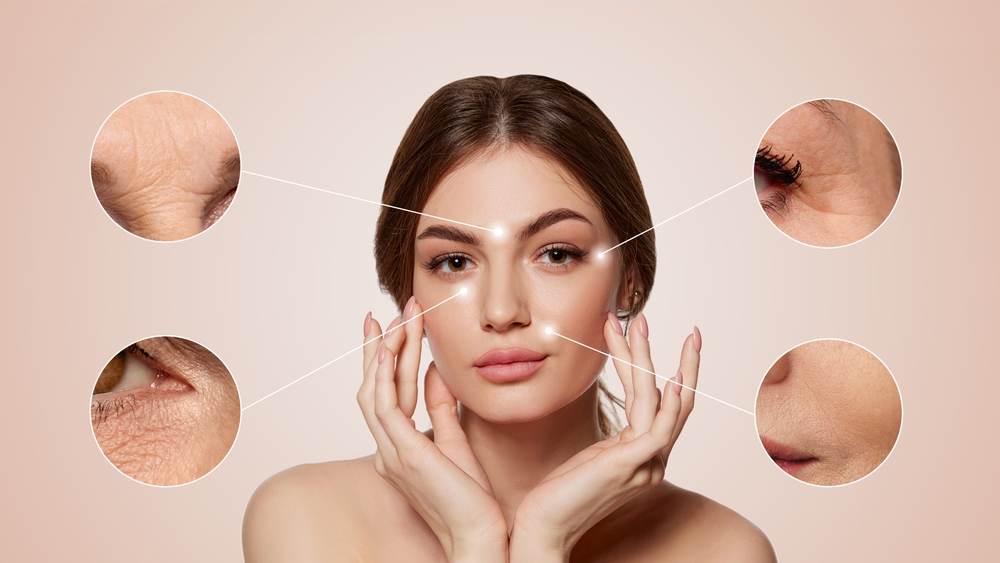
The fine lines that appear in the upper face over the years are most often caused by the repeated movement of the facial expression muscles. Forehead lines, the vertical lines between the eyebrows and the crow’s feet at the corners of the eyes deepen over time with everyday expressions such as smiling, looking surprised or frowning. Facial botox at Zen Poliklinik in Ataşehir aims to temporarily reduce excessive muscle movement in these areas so that the skin looks more rested and smooth.
Botox is applied at different intensities and with different injection points in different areas of the face; for this reason, the forehead, the area between the eyebrows and the eye area are usually assessed together. Before the treatment, the physician observes the person’s facial expressions, muscle strength and expectations and creates a plan. This page covers how botox works for forehead lines, frown lines and crow’s feet, who it is suitable for, and common questions about the process.
What is facial botox and how does it work?
Botox is applied by injecting small doses of an active substance called botulinum toxin into muscle tissue. This substance temporarily weakens the signal transmitted from the nerve endings to the muscle and thereby reduces excessive contraction of the muscle concerned. The three areas most commonly treated on the face are the forehead, the area between the eyebrows (glabella) and the crow’s feet at the corners of the eyes; these are the areas where the expression muscles are most active.
Forehead lines are the horizontal lines formed when the eyebrows are raised and are related to the movement of the frontalis muscle. Frown lines are the vertical lines formed when the eyebrows are drawn together; they are usually more pronounced and can give the impression of an “angry” expression. Crow’s feet are the fine lines that form at the corners of the eyes when smiling. By temporarily reducing muscle movement in these three areas, botox makes the lines appear less pronounced at rest; it does not change the texture of the skin, it regulates muscle movement.
The effect appears gradually a few days after the treatment, and the full effect is usually complete within two weeks. The dose and injection points are determined by the physician according to the person’s muscle structure, expression habits and desired result; for this reason, every treatment is individualized. In some patients a brow-lifting effect can also be observed; treatment at certain points around the eyebrow may contribute to a slightly higher position of the brow, but this is considered an additional effect of facial botox rather than the primary purpose of a brow lift procedure.
When is it preferred?
Facial botox is a treatment preferred when dynamic lines related to facial expressions have not yet turned into deep permanent marks, or when these marks are to be softened. It may be considered in the following situations:
- Being bothered by lines that become more pronounced when smiling, raising the eyebrows or frowning
- Beginning to notice faint lines on the forehead or between the eyebrows even at rest
- An impression of a tired or stern expression due to a habit of frequent frowning
- Fine lines around the eyes looking more pronounced after makeup
- Wishing to slow the deepening of expression lines at an early age for preventive purposes
- Aiming for a generally rested and balanced look in the upper face
How does the procedure proceed?
- Examination and assessment: The physician assesses the person’s facial expressions, muscle strength, skin condition and medical history. The patient’s expectations are discussed in this consultation, and it is decided whether the treatment is suitable.
- Marking the areas: The forehead, glabella and crow’s feet areas are marked according to the person’s facial anatomy and muscle movements. Injection points may differ from person to person.
- Application: Small doses are injected into the relevant muscles using fine needles. The procedure is usually short and is planned so that the patient can return to their day.
- Post-treatment information: The patient is informed about the points to be careful about in the first hours and days; this information may vary depending on the person and the area treated.
- Follow-up: If needed, a follow-up appointment may be planned for the period when the effect has fully settled; this allows the physician to evaluate the result and, if necessary, make fine adjustments.
Who is it not suitable for?
Facial botox may not be recommended in the same way for every patient; suitability is assessed by the physician during the examination. In the following situations, the treatment is generally not recommended or requires additional assessment:
- Being pregnant or breastfeeding
- A known history of allergy to botulinum toxin or its ingredients
- An active infection or skin problem in the treatment area
- A history of neuromuscular disease (such as myasthenia gravis)
- A bleeding disorder or the use of certain blood-thinning medication; this should be shared with the physician
- Presenting with unrealistic expectations; the limits of the results of the treatment are clarified during the physician’s assessment
When are the results visible and how long do they last?
The effect of botox does not appear immediately; the first changes usually begin to be noticed 2 to 4 days after the treatment, and the effect fully settles within 10-14 days. This period may vary from person to person and is influenced by factors such as muscle strength, dose and metabolism. The result becomes more apparent gradually as muscle movement decreases; for this reason, it is recommended to wait a few weeks rather than judging the final result in the early days after the procedure.
The duration of the effect is usually limited to a few months, and muscle movement gradually returns over time; therefore, if the lines are to be kept under control, repeat treatment at certain intervals may be considered. The frequency of repetition varies from person to person and according to the physician’s assessment, so no definite result or guarantee of permanence can be given. Regular follow-up may be useful both for maintaining the result and for adjusting the dose individually.
Use together with other treatments
Facial botox can be planned together with other aesthetic treatments addressing different needs of the face. For example, while dynamic lines caused by facial expressions are reduced with botox, filler procedures may be considered for static lines or contours resulting from volume loss. For patients who wish to support skin quality and firmness, HIFU or skin rejuvenation treatments can be combined with botox in separate sessions.
For patients who have a clenching habit along the jawline or who are bothered by a gummy smile, masseter botox or gummy smile botox treatments may also come into question; such combinations are assessed individually by the physician. All of these treatments are generally not performed in the same session but at separate times within a plan determined by the physician.
For more information about facial botox, you can read our articles the botox guide for forehead and frown lines and crow’s feet botox and treatment of wrinkles around the eyes. Patients aiming for a natural look can also discuss the micro-dose approach known as baby botox with their physicians.
Frequently asked questions
Can forehead botox and frown line botox be done in the same session?
Can I return to normal life immediately after botox?
Do people who have botox look expressionless?
Is botox treatment painful?
What is the difference between facial botox and filler?
How often should botox be repeated?
To get more information about facial botox or to book an examination appointment, you can contact us via the form on the page or through our WhatsApp line. To explore other botox treatment areas, you can visit our botox page.