Salmon DNA or Skin Booster? Differences by Skin Need
salmon DNA or skin booster is really a comparison between two different categories: polynucleotide-based salmon DNA treatments aim at tissue repair, while hyaluronic-acid based skin boosters primarily aim to increase the skin’s hydration and plumpness. Which one is suitable depends on the skin’s current need and a clinical assessment. This article is for general information; it does not recommend a brand or promise a fixed result.
What do salmon DNA and skin booster actually mean?
The term salmon DNA is generally used to describe products containing polynucleotides; these are molecules obtained from fish DNA that are considered to support tissue repair and cellular renewal. Skin booster, on the other hand, is not a standard medical term; it is generally used in marketing language to describe mesotherapy-style treatments, usually containing hyaluronic acid, vitamins, amino acids or antioxidants, aimed at hydrating and plumping the skin. The effect of both approaches is assessed not after a single session but as the planned series of sessions is completed.
These two categories can be applied with the same injection technique, but their content and target differ. When comparing them, the composition and indication should be the basis, not the product name.
Because names used in marketing language have no standard definition, different formulations can exist even within the same category; for this reason, “salmon DNA” heard about at one clinic and the same name heard about elsewhere may not be exactly identical in terms of content concentration and purity. The manufacturer information and ingredient list of the product should be asked for regardless of the name.
Understanding the difference between these two categories also matters for the patient to set the right expectations; expecting a fast and pronounced increase in volume from a treatment aimed at tissue repair, or expecting a permanent tissue change from a hydration-focused treatment, is a misunderstanding in both cases that can lead to disappointment.
This naming confusion can occasionally cause patients to feel a mismatch between what they read online and what they hear at the clinic. In this situation, the most reliable approach is to ask the treating clinician directly about the product’s regulatory status, its ingredient list and which indication it is approved for; this information forms the basis for deciding independently of the name.
Which skin need does each one target?
The polynucleotide (salmon DNA) approach
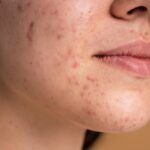
Polynucleotide-based treatments may be considered for skin with reduced tissue quality — thin and lax-looking skin, or skin needing renewal because of sun damage or acne scarring; the goal is to support the skin’s own repair mechanism.
Hyaluronic-acid based skin boosters
Hyaluronic-acid based skin booster treatments, on the other hand, primarily aim to add hydration and plumpness to skin showing dryness, dullness and more visible superficial fine lines.
Some people have both needs at the same time; in that case, which product is given priority is decided at clinical examination.
Points commonly asked about at examination to clarify the skin’s need can be summarised as follows:
- Tissue quality and elasticity: if repair is the priority, polynucleotides come into consideration.
- Hydration and surface radiance: if plumpness is the priority, a skin booster comes into consideration.
- If both needs exist together, the order of priority is decided at examination.
Skin type is also part of this assessment; in oily and combination skin, a lack of hydration is less prominent, while in dry and sensitive skin, the soothing effect of skin booster treatments can be felt more clearly. In skin with a history of long-term sun exposure or smoking, the need for tissue repair tends to come up more often; this kind of history is information that affects which approach comes to the forefront at examination.
Age is also a factor that plays a role in this assessment of need; in younger skin, the goal is generally to preserve existing quality and provide light hydration support, while in mature skin, tissue repair and elasticity support may take more of a priority. This general tendency does not replace a personal examination; each skin is assessed on its own findings.
How does the mechanism of action differ?
Polynucleotides: a cellular repair signal
Polynucleotides are molecules thought to act on biological signalling pathways that support cell proliferation and collagen production in the tissue; the effect generally emerges gradually over weeks.
Hyaluronic acid: water-holding capacity
Hyaluronic-acid based products, on the other hand, are molecules with a high, direct water-holding capacity, so their effect of adding hydration and volume to the skin can be felt sooner.
This difference does not mean one treatment is more permanent or more effective; the two serve different goals through different biological pathways.
This difference in how quickly the effect appears also matters for expectation management; rather than expecting a noticeable radiance right after a polynucleotide treatment, it is more realistic to expect a gradual change in tissue quality over weeks. After a skin booster, on the other hand, the hydration effect is usually noticeable within a few days.
Not confusing these two mechanisms also shapes the expectation after a session; not seeing an obvious “glow” in the first days after a polynucleotide treatment is not a cause for concern, because the real change takes place at the tissue level over weeks. The early hydration effect seen after a skin booster, on the other hand, does not mean a permanent tissue change, and its duration depends on the properties of the product.
How long these two mechanisms leave a trace in the body also differs; hyaluronic-acid based products are broken down by the body over time, while the effect of polynucleotides depends directly on how durable the newly produced tissue is. This difference is one of the factors that explains why the two approaches may call for a different maintenance schedule to preserve the result.
The effect of polynucleotides on tissue is linked to triggering cell proliferation and repair processes; this process works in a way similar to the body’s own wound-healing mechanism, which is why results take time to appear. In hyaluronic-acid based products, on the other hand, the degree of cross-linking of the molecules is a technical property that determines how long the product will hold water and how long it will remain in the tissue; this degree differs between products.
This biological difference also explains why the two approaches do not clinically replace one another; applying only a hydration-focused product to skin that needs tissue repair may not resolve the underlying quality issue. Similarly, applying a repair-focused protocol to skin that only lacks hydration can mean starting a process that is not actually needed.
How do injection depth and technique differ?
Polynucleotides: targeted application in the dermis layer
Polynucleotide treatments are generally applied to the dermis layer, at specific points or using a linear technique, in a way that supports tissue repair. The difference in depth and technique can also affect healing time and the comfort felt during treatment.
Skin boosters: a superficial micro-injection network
In skin booster treatments, on the other hand, the product is distributed through the skin in a more superficial and widespread network using a micro-injection technique.
The technique your treating clinician chooses can vary depending on the product used and the area being targeted.
A difference can also be observed in terms of comfort; the superficial micro-injection technique creates a milder stinging sensation for some people, while deeper treatments done with a linear technique can leave a few extra days of sensitivity afterward. This difference varies from person to person and by the area treated.
The area treated is also a factor that affects the technique; the skin thickness and underlying structures of different areas such as the face, neck, décolletage or the back of the hand differ from one another. For this reason, the same product may be applied at a different injection depth and volume in different areas; this area-specific distinction matters for both safety and a natural appearance.
The neck and décolletage area has less fat tissue and thinner skin than the face; for this reason, treatments in these areas generally use a more superficial technique and smaller volumes. In areas where blood vessels sit close to the surface, such as the back of the hand, the injection angle and depth are also planned with extra care to reduce the risk of bruising.
How does the experience felt during treatment differ?
What is felt during a polynucleotide treatment
In polynucleotide treatments, a mild feeling of fullness or pressure can be felt during injection because of the resistance the product meets in the tissue; this sensation usually eases shortly after the treatment ends.
What is felt during a skin booster treatment
In skin booster treatments, since a large number of superficial micro-injections are made, the sensation is more often described as a series of small pinpricks.
In both treatments, applying a topical anaesthetic cream to the area beforehand is often chosen to increase comfort; the time needed for the cream to take effect also affects the total length of the appointment.
Pain threshold varies considerably from person to person, so the same technique can be felt differently by two different people. For this reason, sharing any discomfort you feel during treatment with your practitioner allows small adjustments to be made to the technique or the pace if needed.
Treatment time can also differ between the two approaches; skin booster treatments can take a little longer because of the large number of small injection points, while polynucleotide treatments, with fewer but more targeted injections, can be shorter. This difference in time is a practical detail worth keeping in mind when planning your appointment.
How does the healing process progress?
Healing after polynucleotides
After polynucleotide treatments, small swellings that can last a few days, and occasionally mild bruising, can appear at the injection points; these findings generally decrease noticeably within a week.
Healing after a skin booster
Similarly, temporary redness and tiny needle marks can appear after skin booster treatments, but these marks generally close in a shorter time.
In both treatments, not applying strong pressure to the area, and postponing makeup and intense exercise, for the first twenty-four to forty-eight hours is a shared way to support healing. Healing time can vary depending on the product’s composition, the amount applied and the person’s tissue response.
Feeling a mild tightness or firmness in the area in the first days is considered normal and generally goes away on its own within a few days. Small bumps that form at the injection points similarly flatten out in a short time; this appearance is not part of the final result but a temporary stage of the healing process.
How are the number and interval of sessions decided?
Polynucleotide session interval
Polynucleotide-based protocols generally use a series of sessions repeated at intervals of a few weeks, because the tissue response is a process spread over time.
Skin booster session interval
Skin booster treatments can similarly involve more than one session, but the interval and number vary depending on the product’s composition and the skin’s need.
It is more useful to think of the number of sessions not as a fixed package but as a plan based on the skin’s findings.
Session logic can be summarised as follows:
- Polynucleotides: generally a series repeated at intervals of a few weeks.
- Skin boosters: multiple sessions at intervals that vary by product.
- In both cases, the decision to continue is made together with the clinician based on the skin’s response.
Shortening the interval between sessions too much can mean the tissue receives a new stimulus before it has fully shown its response to the previous treatment; this can make it harder to assess the result and can also increase the risk of an unnecessary treatment. For this reason, following the recommended intervals matters both for safety and for correctly assessing the result.
The season is sometimes also taken into account when building a session plan; for example, extra caution may be needed for some treatments during periods of intense sun exposure, so the plan can include small adjustments between summer and winter months. Details like this are part of a plan tailored to the person and the season, rather than a standard calendar.
When is one preferred over the other?
When declining tissue quality, loss of elasticity or repair after scarring is the priority, a polynucleotide-based approach may come into consideration. When the priority is superficial dryness, dullness or the appearance of fine lines, a hyaluronic-acid based skin booster may be found more suitable. In some clinics, the two approaches can be planned in separate sessions to complement each other.
This choice should not be based solely on patient preference, but on skin examination and the intended outcome.
Some people prefer to ask which one is “better” before trying either treatment; but because these two categories serve different needs, one is not generally superior to the other. The right question is which one is more suited to your skin’s current need, and the answer to this question only becomes clear at examination.
Can the two be combined, and in what order?
In some protocols, polynucleotide and hyaluronic-acid based products can be planned in separate sessions to complement one another; but this is not automatically a suitable approach for every skin. The decision to combine them is shaped by the skin’s current condition, previous treatment history and the clinician’s clinical assessment.
If a combined plan is proposed, the separate purpose and expected contribution of each product should be explained clearly.
In practice, combining the two is generally planned in a certain order rather than back-to-back; for example, sessions aimed at tissue repair can be completed first, with hydration and plumpness-focused sessions added later. This sequencing is also an individual decision and is not applied the same way for everyone.
When a combined plan is being considered, it matters to leave enough time between the two products to assess the effect each has had on the skin up to that point. This period varies depending on the products used and the person’s tissue response; rather than a fixed rule, a flexible schedule decided together at follow-up appointments is followed.
How does it relate to other aesthetic treatments?
Polynucleotide and skin booster treatments do not replace volumising or muscle-relaxing procedures such as Botox or filler; they are considered complementary treatments aimed at supporting the general quality of the skin. For this reason, if more than one treatment is being planned for a person, which one is done first and how much time is left between them is decided by the clinician.
For example, moving on to a volumising filler treatment after completing a series aimed at skin quality is a sequence preferred in some clinics; but this is not always a fixed rule and can change depending on the person’s need.
A waiting period is also generally left between these treatments and skin-renewing procedures such as laser or chemical peels; because both types of treatment place a demand on the skin’s healing capacity, applying them to the same area very close together in time can increase the load on the skin. Sharing all treatments you have had or are planning with your clinician helps build a safe sequence.
How is the result maintained?
Sun protection, regular moisturising and staying away from habits that negatively affect skin quality, such as smoking, are general measures that help maintain the result of both types of treatment. When adding a new product to your skincare routine, choosing gentle products with fewer ingredients in the first days after treatment is recommended.
How long the result lasts depends on the product used, the person’s skin structure and lifestyle; for this reason, rather than giving a standard promise of duration, it is more accurate to assess together at follow-up appointments how the result is progressing.
General lifestyle habits such as diet and sleep also indirectly affect skin quality; balanced nutrition and adequate sleep are among the most basic, but often overlooked, ways to support the result of any aesthetic treatment. These habits do not replace a treatment on their own, but they can help the result last longer.
Who might not be a suitable candidate?
People with a history of fish allergy should be assessed carefully before polynucleotide-based products; for hyaluronic-acid based products, any known sensitivity, though rare, should also be asked about. In situations such as active skin infection, a history of uncontrolled autoimmune disease, pregnancy and breastfeeding, the timing or suitability of treatment should be reassessed together with the clinician.
All medications and supplements used, particularly blood thinners, need to be disclosed beforehand for a safe assessment.
Situations that call for extra caution can be briefly summarised as follows:
- A known history of fish allergy.
- Active skin infection or a history of uncontrolled autoimmune disease.
- Pregnancy, breastfeeding, or use of blood-thinning medication.
Applying treatment to an area with an active skin condition such as acne, eczema or psoriasis is also a situation that needs separate assessment; injection into such an area can temporarily flare up the existing skin problem. For this reason, all current skin findings should be reviewed together with the clinician at the pre-treatment examination.
What are the most common misconceptions?
The idea that “the skin is fully renewed in a single session” is misleading; a change in tissue quality, whichever product is used, generally requires more than one session and a process spread over weeks. Similarly, the idea that “it carries no risk because it is natural” is also incomplete; even though salmon DNA is fish-derived, like any injection treatment it carries known risks such as allergy and infection.
The idea that “skin booster is the same as filler” is also incorrect; skin booster targets hydration and tissue quality, while volumising fillers aim to create a noticeable change in shape and volume; the two serve different needs and do not replace one another.
The idea that “these treatments are only suitable for a certain age group” is also incomplete; the need to support skin quality or add hydration can arise in different age groups depending on inherited skin structure and exposure to external factors. Suitability is assessed not by age but by the skin findings determined at examination.
How should a decision be made?
The most reliable comparison emerges when skin examination, the intended outcome, product composition and possible risks are discussed together. The name salmon DNA or skin booster alone does not guarantee the right choice; what matters is whether the composition suits the person’s skin need.
Patience is also an important part of decision-making; both types of treatment naturally produce gradual results, so rather than expecting a fast transformation after the first session, it is more realistic to wait for the planned series of sessions to be completed. Regular communication with your clinician throughout this process allows the plan to be updated if needed.
A written consent form that clearly states the product name, composition and possible side effects matters for an informed decision.
A follow-up plan is also part of the decision process; scheduling a follow-up appointment after the first session to see how the skin has responded helps clarify whether further sessions are needed.
Preparing your questions in writing before treatment can help you avoid missing any point during the examination; questions about the product’s composition, the expected sensation, the healing process and cost can be included in this list. Asking your questions without feeling rushed is one of the most practical ways to reach an informed decision.
This article has outlined the salmon DNA or skin booster question in general terms; which treatment suits your skin is a personal decision that becomes clear after examination. A brand recommendation or a guaranteed rejuvenation promise is not within the scope of this article.
learn more about anti-aging skin treatments. request an appointment for a personal assessment.
Frequently Asked Questions (FAQ)
What is the main difference between salmon DNA and a skin booster?
Salmon DNA describes products containing polynucleotides that support tissue repair, while skin booster generally refers to hyaluronic-acid based treatments aimed at adding hydration and plumpness to the skin. Which one is suitable depends on the skin’s current need and a clinical assessment. The two act through different biological pathways to serve different needs; polynucleotides act on signalling pathways that support cell proliferation, while hyaluronic acid adds volume directly through its water-holding capacity. Because these names have no standard definition, the same name can describe products with different content concentrations at different clinics, so composition and indication should be the basis for comparison, not the product name.
Which skin concern is salmon DNA better suited for?
Polynucleotide-based treatments may be considered for skin with reduced tissue quality — thin and lax-looking skin, or skin needing renewal after sun damage or acne scarring. The goal is to support the skin’s own repair process; the effect generally emerges gradually over weeks. This kind of need tends to come up more often in skin with a history of long-term sun exposure or smoking. Exact suitability is determined at skin examination by assessing tissue quality and elasticity.
How quickly does a skin booster take effect?
Because hyaluronic-acid based products have a high water-holding capacity, the hydration and plumpness effect is generally felt within a few days. A lasting result, however, may require repeated sessions; the exact timeline depends on the product’s composition and the skin’s need. This early effect does not mean a permanent change in tissue quality, since the product is broken down by the body over time. For this reason, how long the result will last is a personal matter that is assessed at follow-up appointments.
Can the two treatments be done in the same session?
In some protocols the two products can be planned in separate sessions to complement each other, but this is not automatically a suitable approach for every skin. The decision to combine them is shaped by the skin’s current condition, previous treatment history and the clinician’s clinical assessment. In practice, combining the two is generally planned in a certain order rather than back-to-back; for example, sessions aimed at tissue repair can be completed first. If a combined plan is proposed, the separate purpose of each product should be explained clearly.
Can I have salmon DNA treatment if I have a fish allergy?
People with a history of fish allergy should be assessed carefully before polynucleotide-based products; this information must always be disclosed to the clinician beforehand. Suitability is determined by the clinician based on the details and severity of the allergy history. Situations such as active skin infection, a history of uncontrolled autoimmune disease or pregnancy also need to be disclosed beforehand for a similar reason. All medications and supplements used, particularly blood thinners, need to be shared clearly for a safe assessment.
How many sessions are usually recommended?
The number of sessions is not a fixed package but a plan based on skin findings; polynucleotide protocols generally involve a series of sessions repeated at intervals of a few weeks. Skin booster treatments can similarly involve more than one session, but the interval and number vary depending on the product’s composition. Shortening the interval between sessions too much can mean the tissue receives a new stimulus before it has fully shown its response to the previous treatment. The exact number can vary depending on the person’s tissue response and is reassessed at follow-up appointments.
What side effects can occur after treatment?
Mild redness, tenderness or small bruising can occur after injection and generally disappear in a short time. Small swellings that can last a few days may also be seen after polynucleotide treatments; these findings generally decrease noticeably within a week. Temporary redness and tiny needle marks can be seen after skin booster treatments, but these close in a shorter time. Increasing pain, widespread rash or breathing-related complaints require urgent assessment.
How is the right product decided for me?
The most reliable decision is made when skin examination, the intended outcome, product composition and possible risks are discussed together. The product name alone does not guarantee the right choice; what matters is whether the composition suits the skin’s need. A written consent form that clearly states the product name, composition and possible side effects matters for an informed decision. A follow-up plan is also part of the decision process; scheduling a follow-up appointment after the first session to see how the skin has responded is recommended.