
PRP Hair Therapy (Plasma Therapy)
A non-surgical scalp treatment in which platelet-rich plasma, prepared from the patient’s own blood, is injected into the scalp to stimulate hair follicles and support the nutrition of existing hair.
What is PRP hair therapy (plasma therapy)?
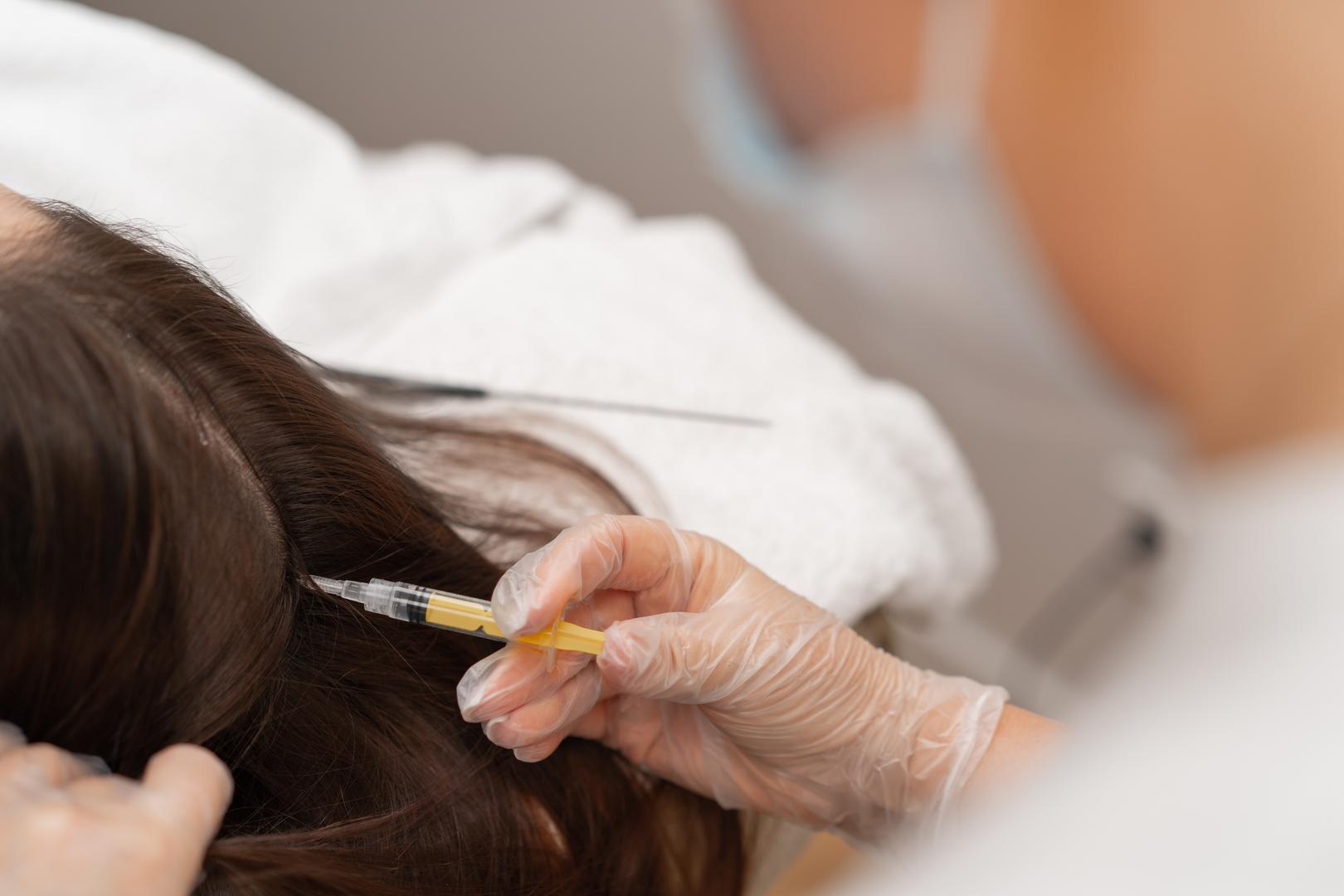
PRP (platelet-rich plasma) therapy is a hair support method in which platelet-rich plasma, obtained from the patient’s own blood, is injected into the scalp. Because the patient’s own blood component is used, it is highly hypoallergenic and does not trigger rejection reactions.
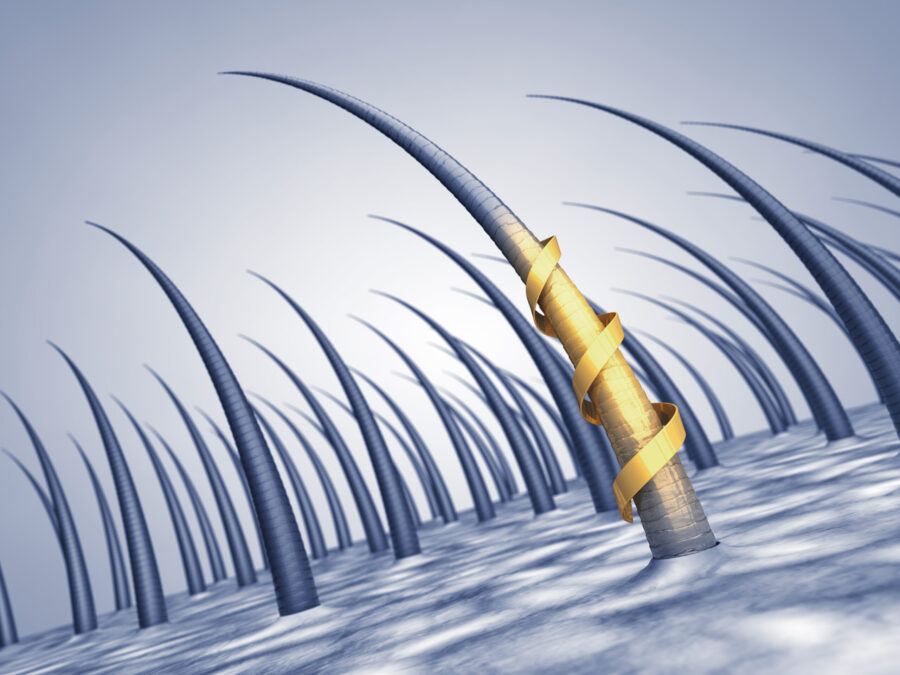
The method relies on the natural regeneration process triggered by the growth factors carried by platelets. These factors support tissue regeneration, blood circulation around the hair follicle and follicle function, helping to reactivate dormant (telogen-phase) roots.
What effects does PRP therapy target?
- Slower shedding. Increased cellular activity around the follicle contributes to a reduction in the rate of hair loss.
- Improved scalp condition. Increased blood circulation supports the overall condition of the scalp.
- Support for collagen and hyaluronic acid synthesis. The growth factors in the plasma accelerate tissue repair.
- Support for healing in scarred areas. May support cellular healing in scalp tissue scarred by hair transplantation or trauma.
When is it preferred?
PRP therapy is often considered for androgenic alopecia (hereditary hair loss) in both men and women. It is most meaningful in areas where the follicle is still alive and thinning has not yet progressed to full baldness.
It may also be recommended before and after hair transplantation, to support the best possible outcome — improving the condition of the scalp beforehand, and supporting the healing process afterward.
How is PRP therapy performed?
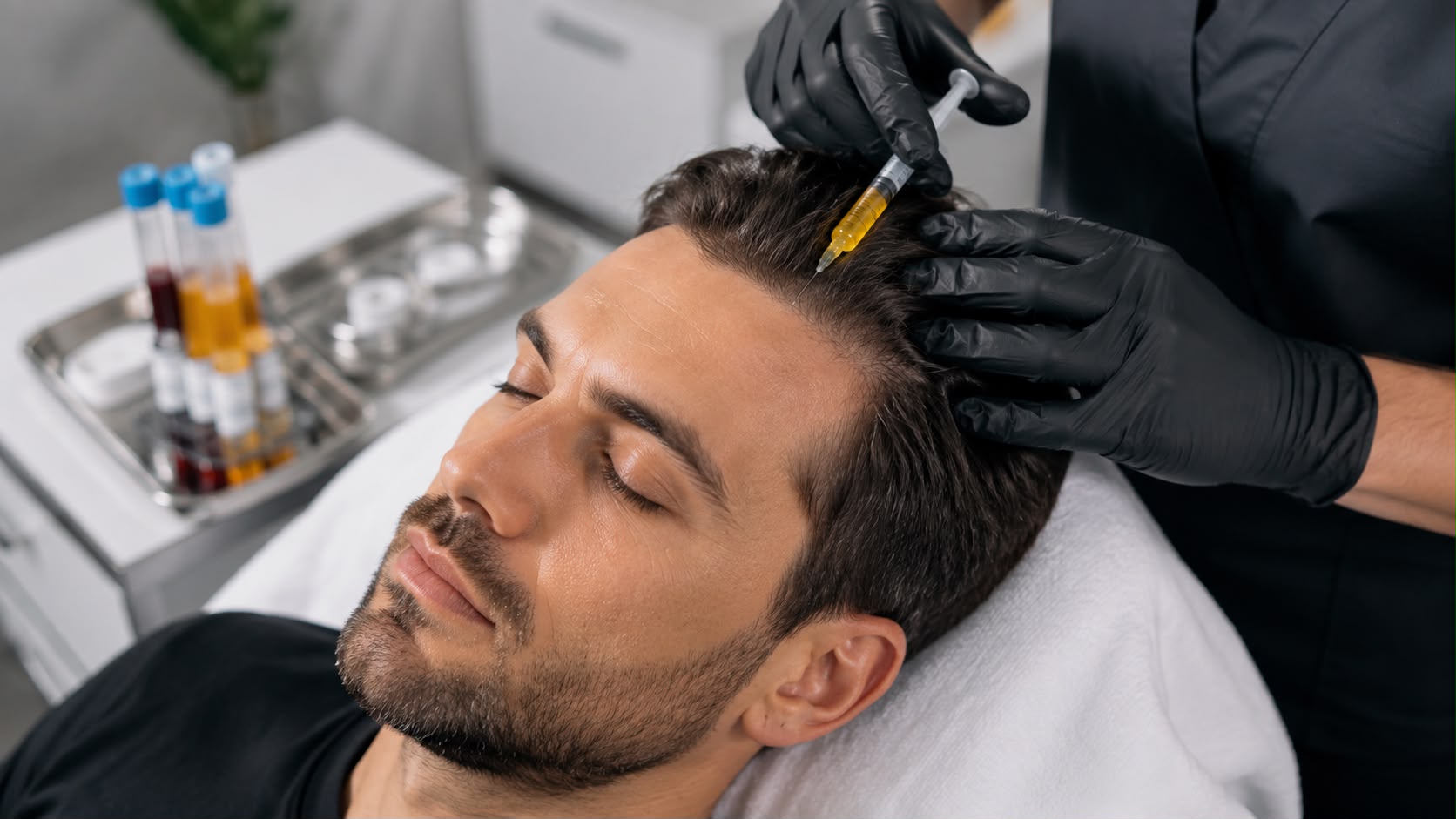
The procedure takes 40 to 60 minutes, and all steps are carried out in the clinic. About 80 ml of blood is drawn from the patient’s vein and placed into a special tube. The blood is then centrifuged for 15 minutes, which separates the platelet-rich plasma from the other blood components.
The resulting plasma is injected with fine needles into the areas of the scalp showing thinning or shedding. The injection is superficial and creates a micro-level stimulation in the tissue, which activates the hair follicles and helps normalise sebaceous gland activity.
When do results appear, and how long do they last?
Because the hair follicle’s own cycle is measured in months, the change expected from PRP is gradual; a visible difference should not be expected after the first sessions. The first noticeable change is usually a reduction in the amount of shedding; changes in hair thickness and density become visible later, typically within a few months.
In suitable patients, results can be maintained for two years or longer. The degree of response varies from person to person, influenced by age, the duration of hair loss, the degree of genetic predisposition and any accompanying health conditions.
Use together with other treatments
PRP therapy targets the same goal as hair mesotherapy and hair growth factor treatment — supporting cellular activity around the follicle. Which one is suitable is decided during the consultation, based on the condition of the scalp. You can compare the other options on the hair support treatments page.
Frequently asked questions
Is PRP therapy painful?
The injections are performed with fine needles; most people describe a mild stinging sensation. A topical numbing cream can be applied beforehand for those with higher sensitivity.
How long does the procedure take?
The total time, including blood draw, centrifugation and injection, is 40 to 60 minutes. All steps are completed in the same clinic visit.
How many sessions are needed?
The number and spacing of sessions is determined during the assessment, based on the type of hair loss and the condition of the scalp. An exact number is confirmed after the consultation.
When can I return to daily life after the procedure?
PRP therapy does not require any downtime; you can return to your normal routine the same day. Mild redness at the injection sites may last a few hours.
Does PRP therapy replace hair transplantation?
No. PRP supports existing hair follicles; it does not create new hair in areas where the follicle is completely gone. Hair transplantation is the method to consider for those areas.
Are there any side effects?
Because the patient’s own blood is used, there is no rejection reaction, and the risk of complications is low. Temporary redness and tenderness may occur at the injection site and usually resolve quickly.